Talking Ops With Don Irace - Switching In The Big Apple with Bruce Ryan
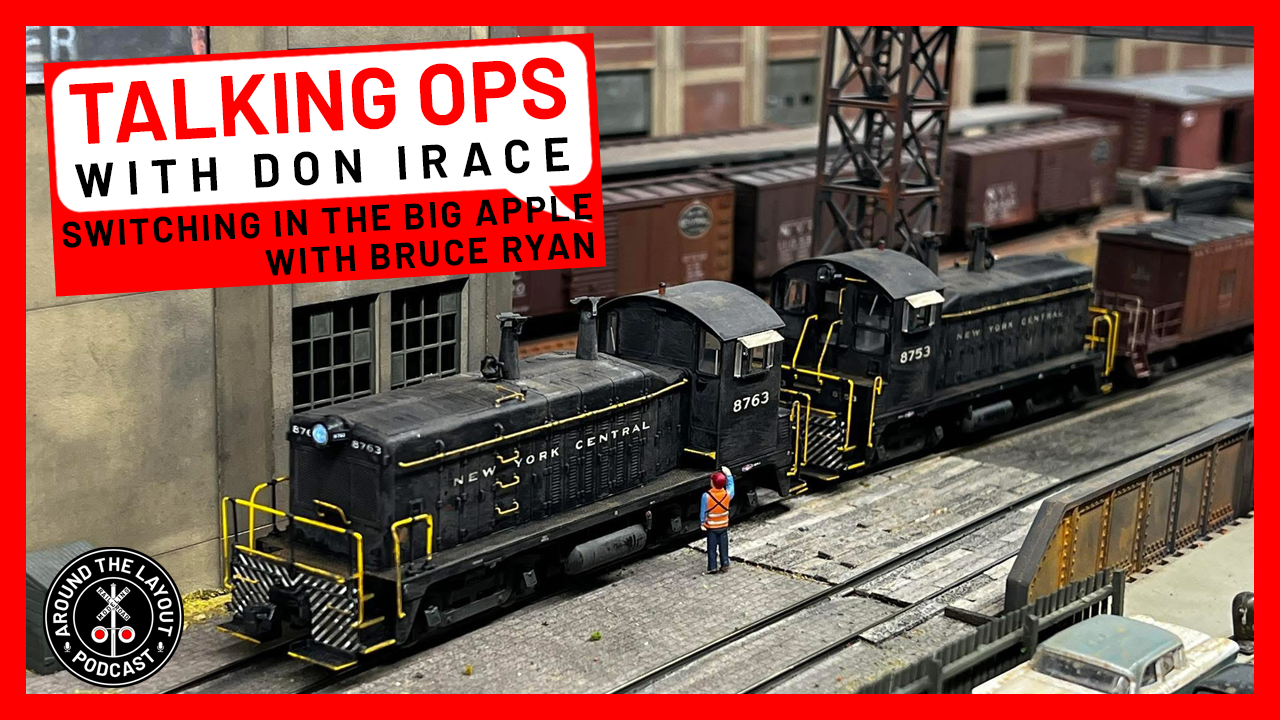
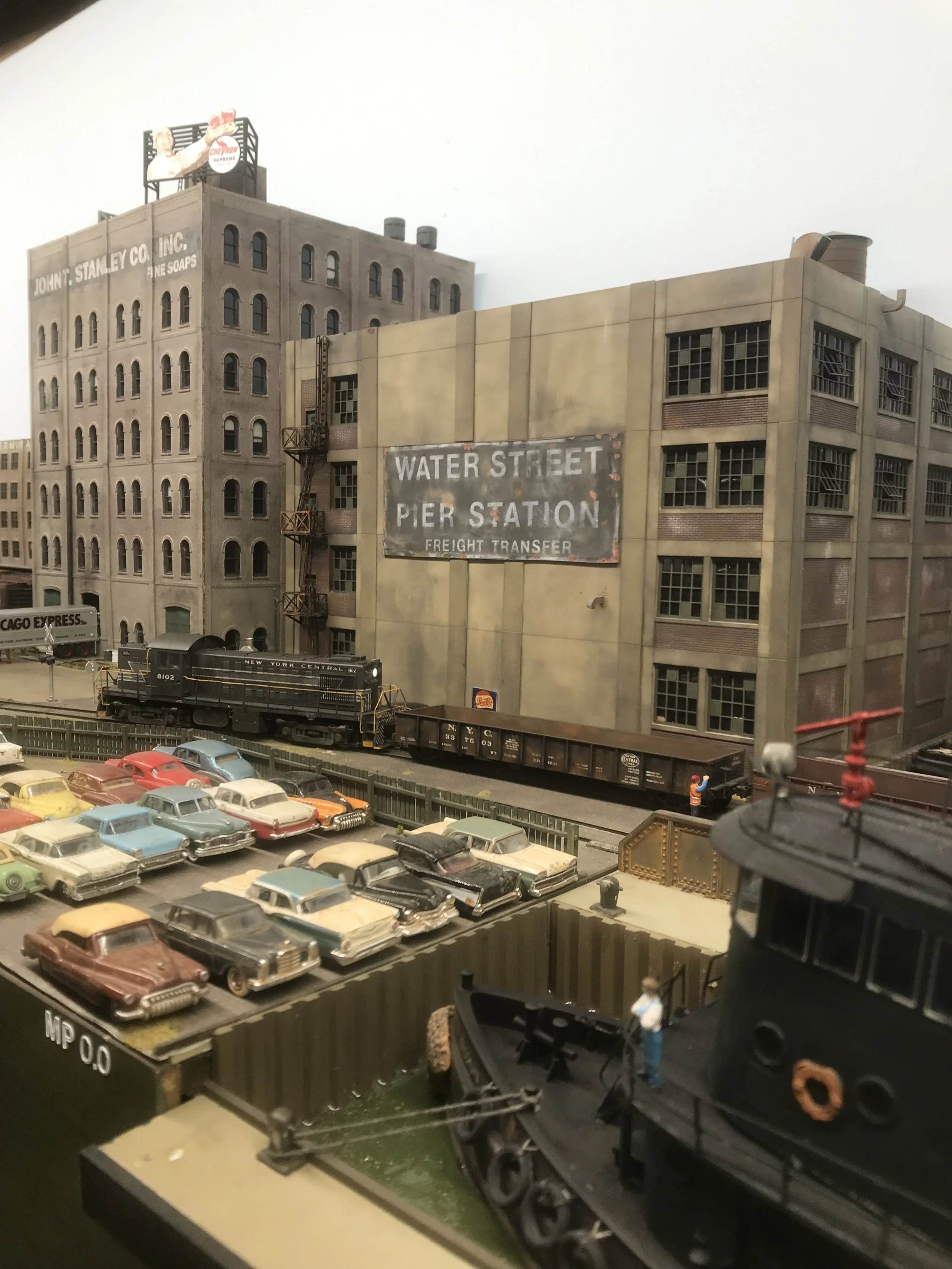
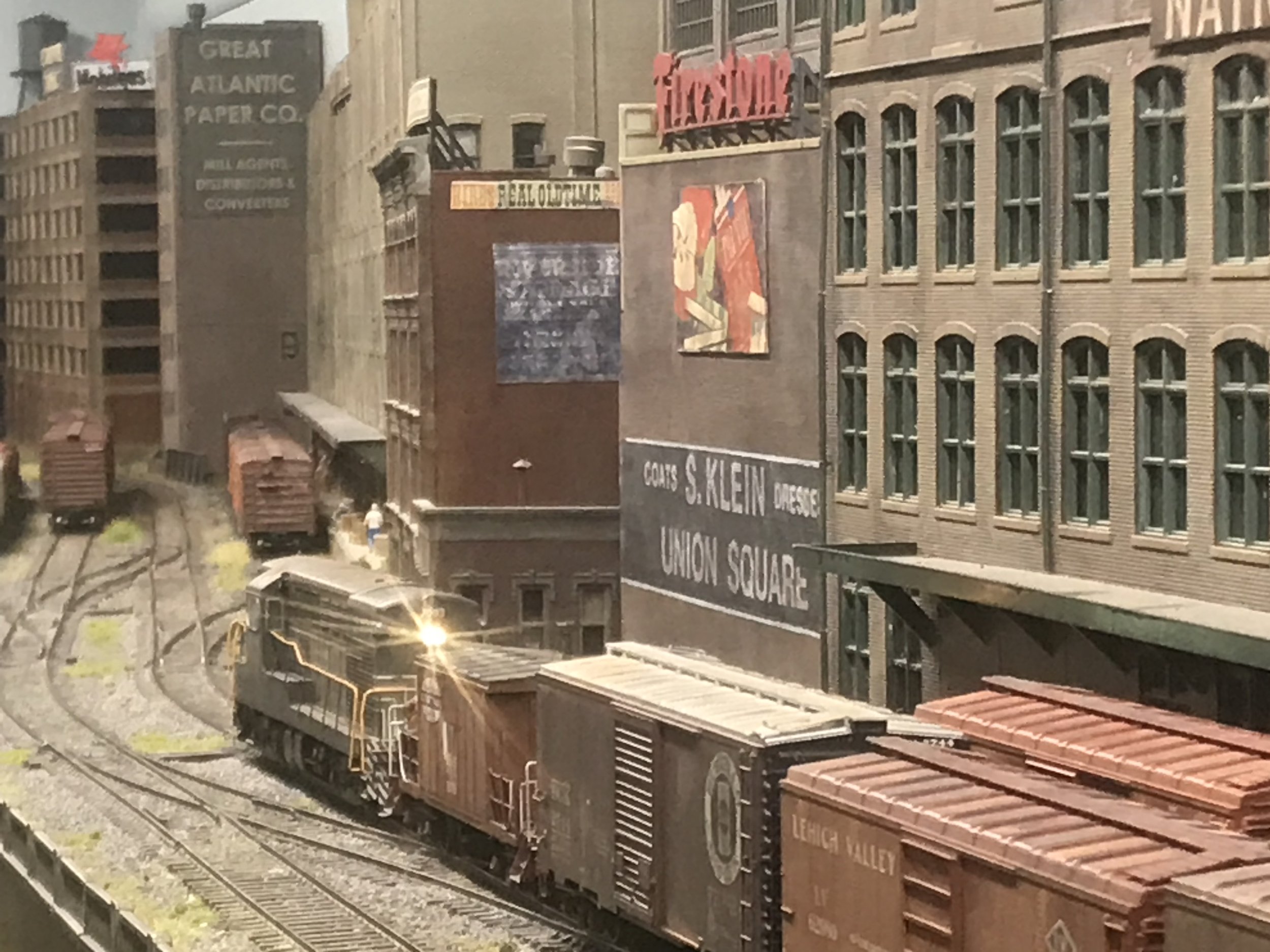
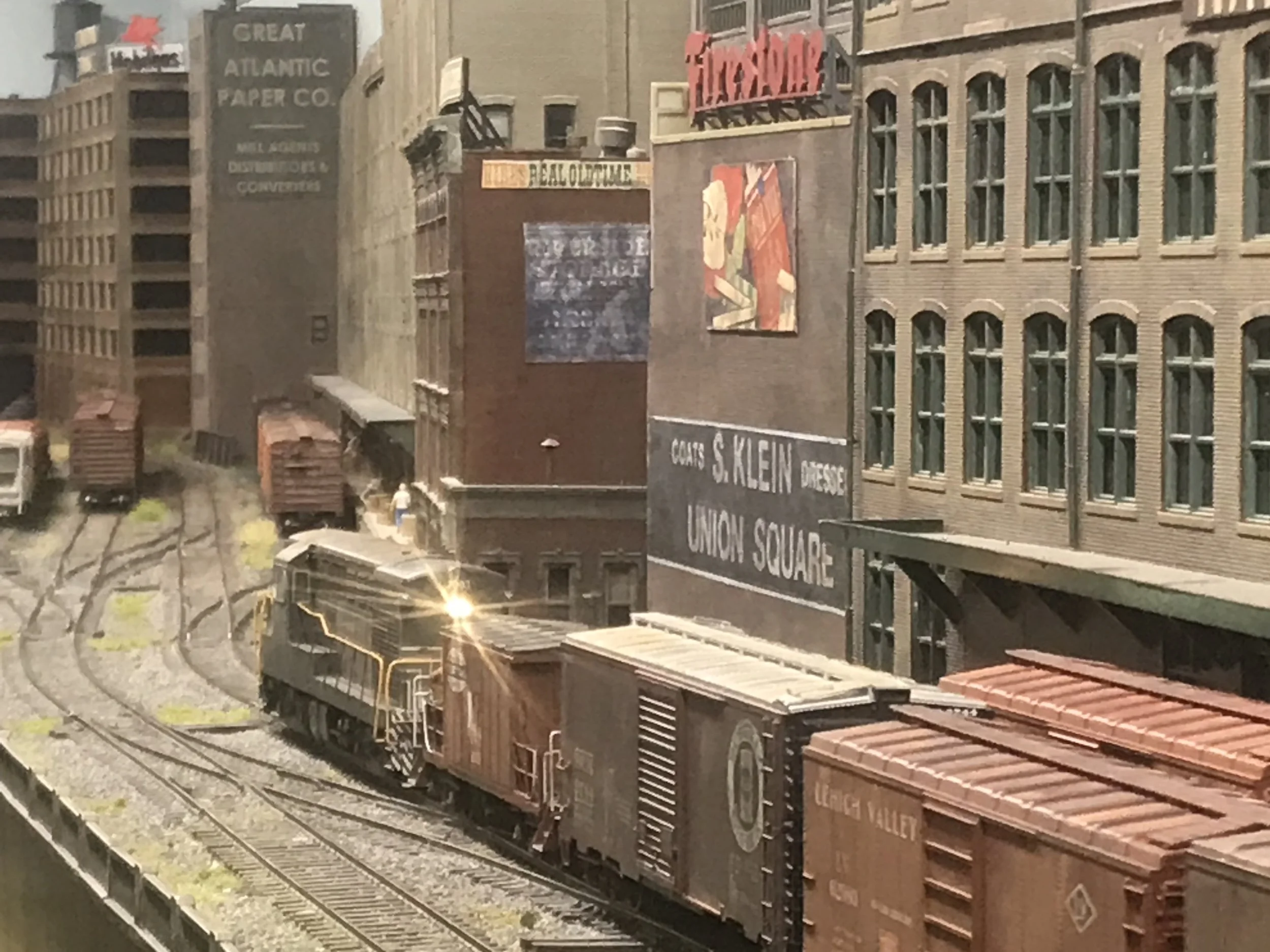
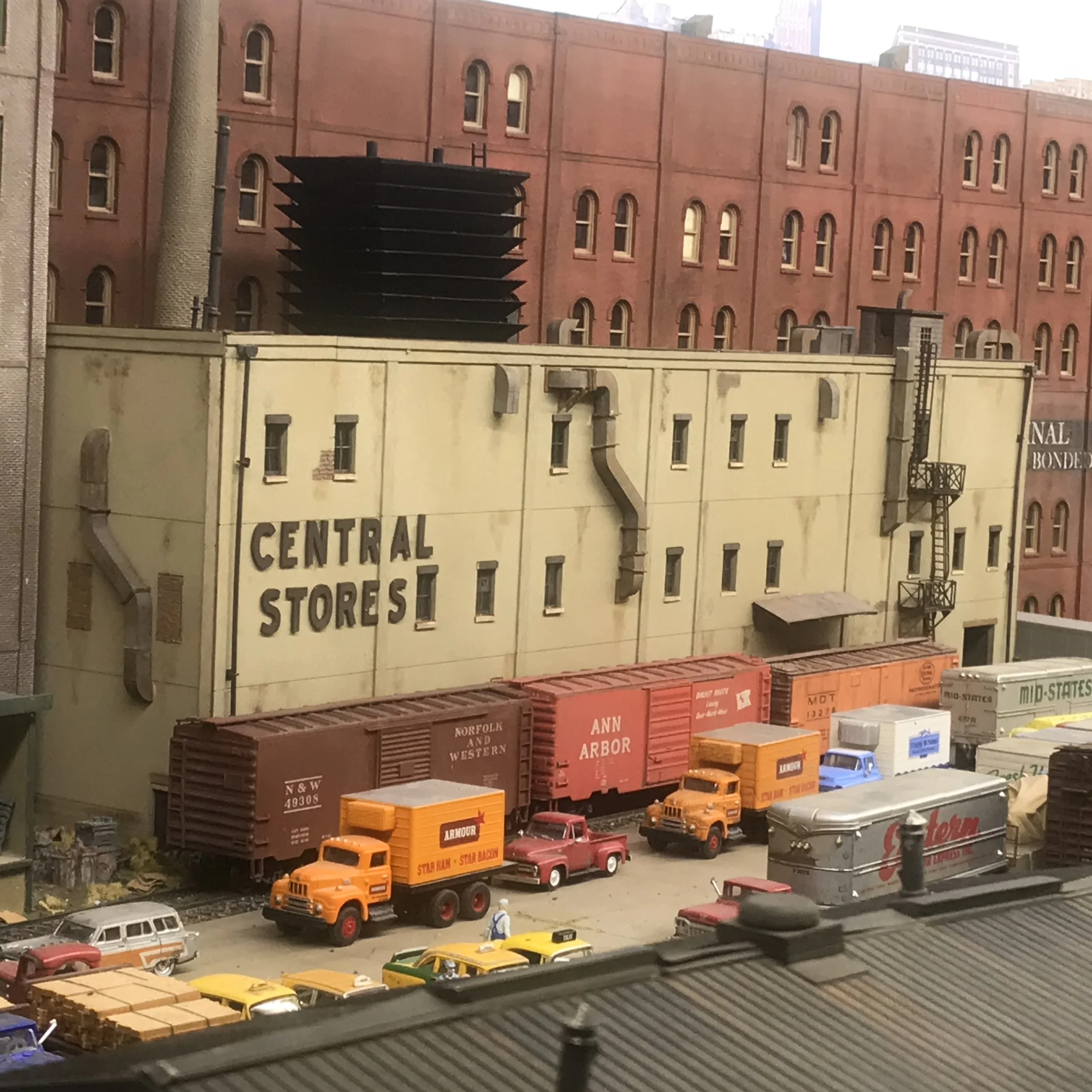
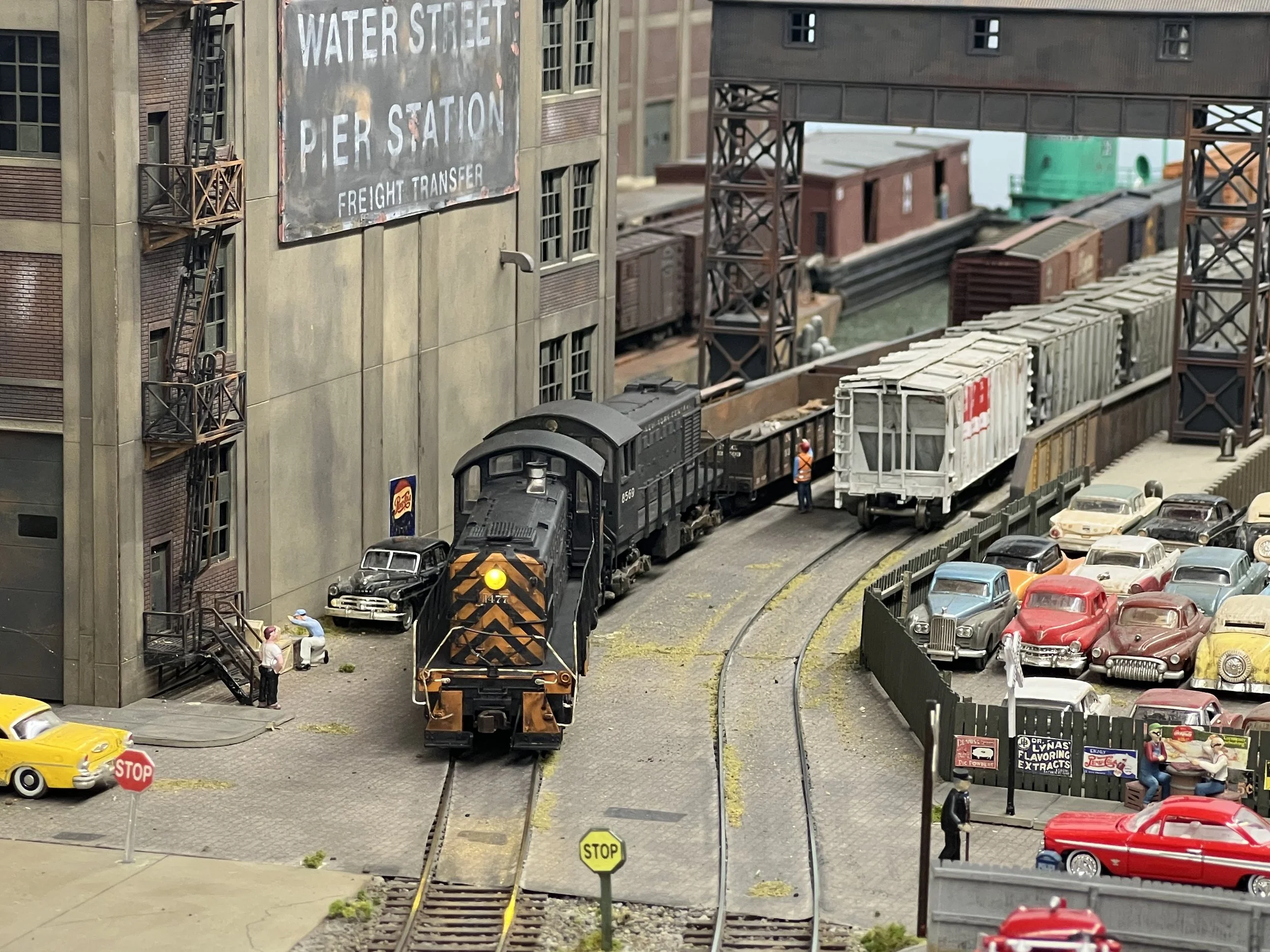
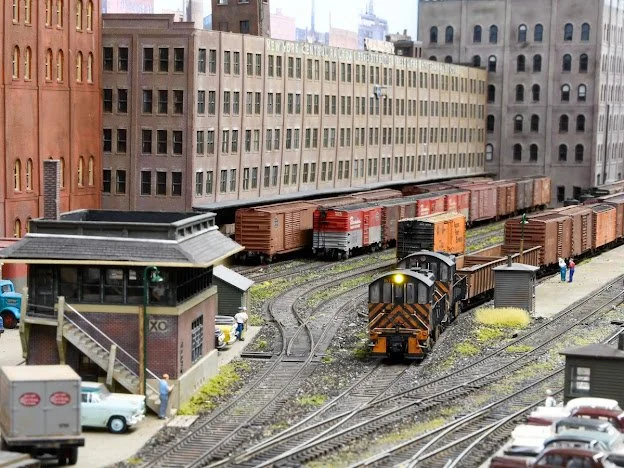
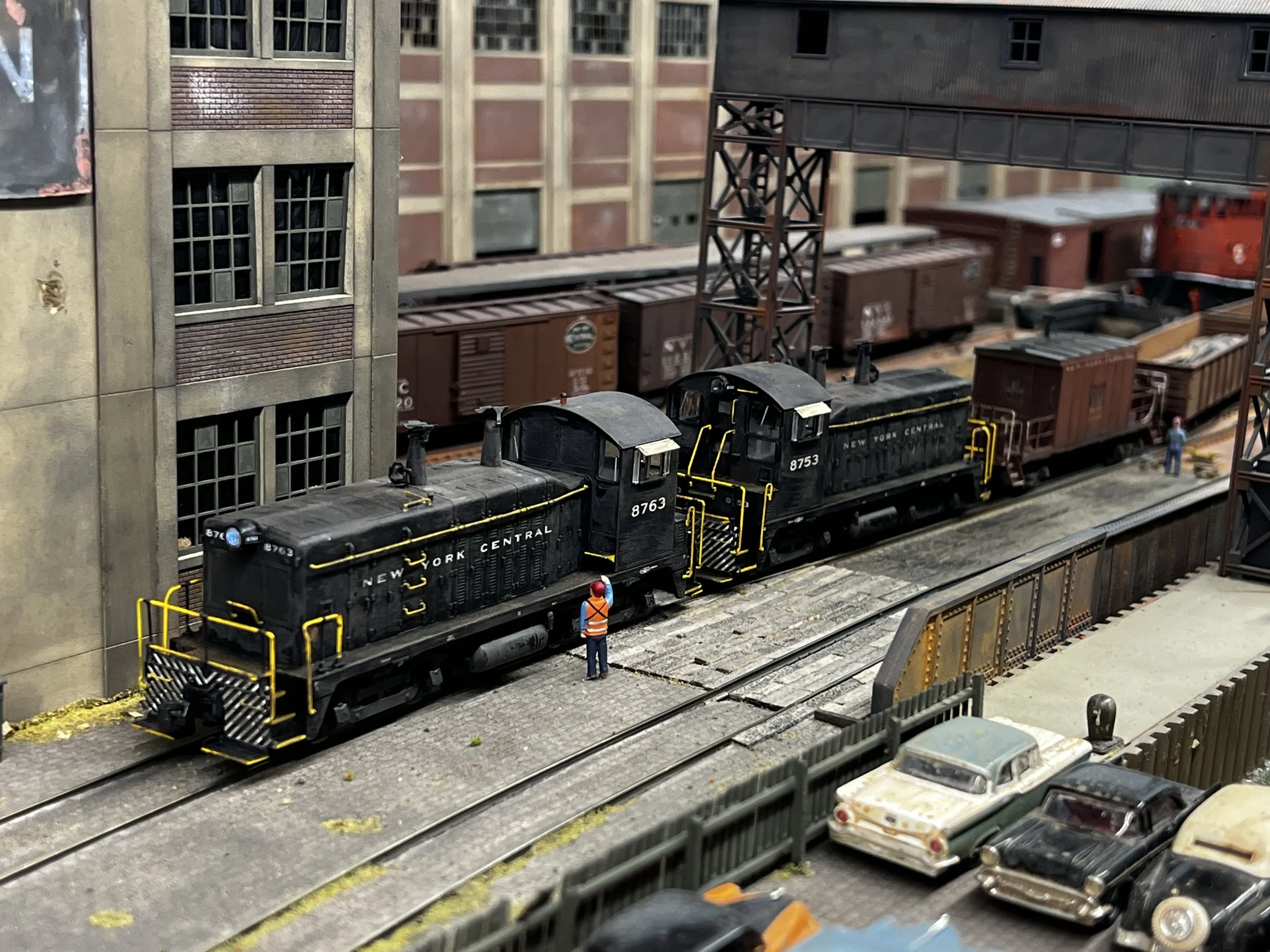
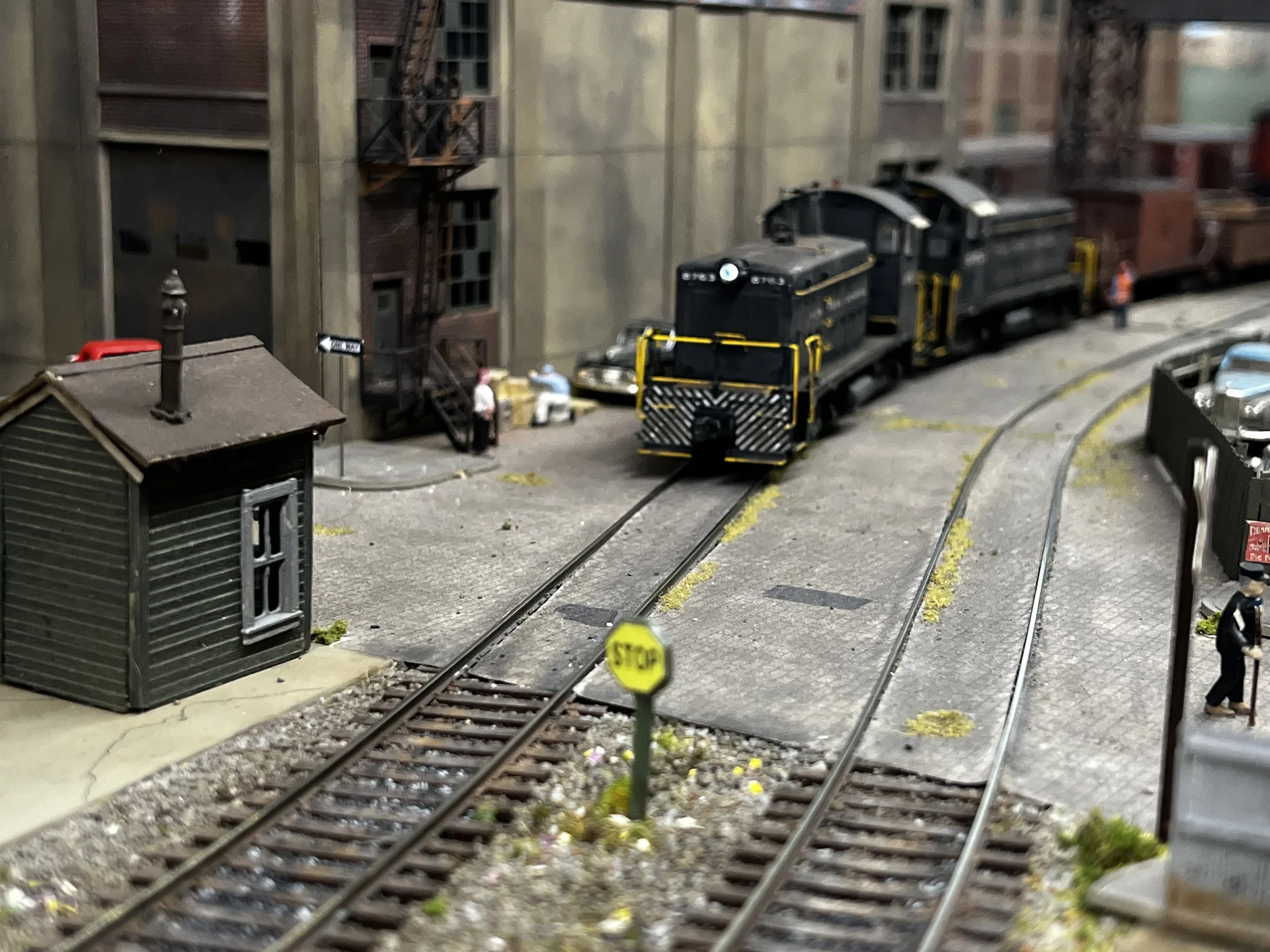
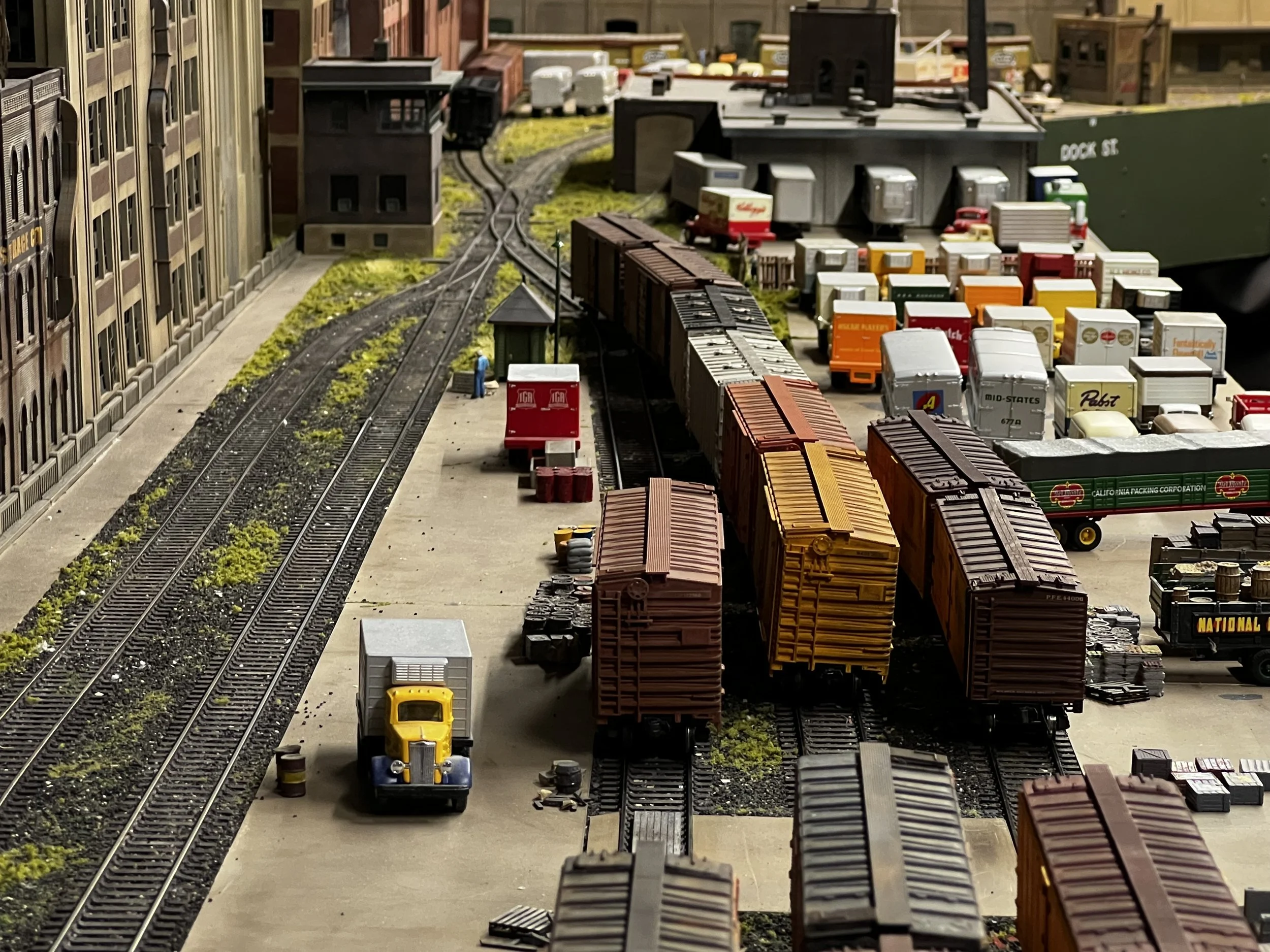
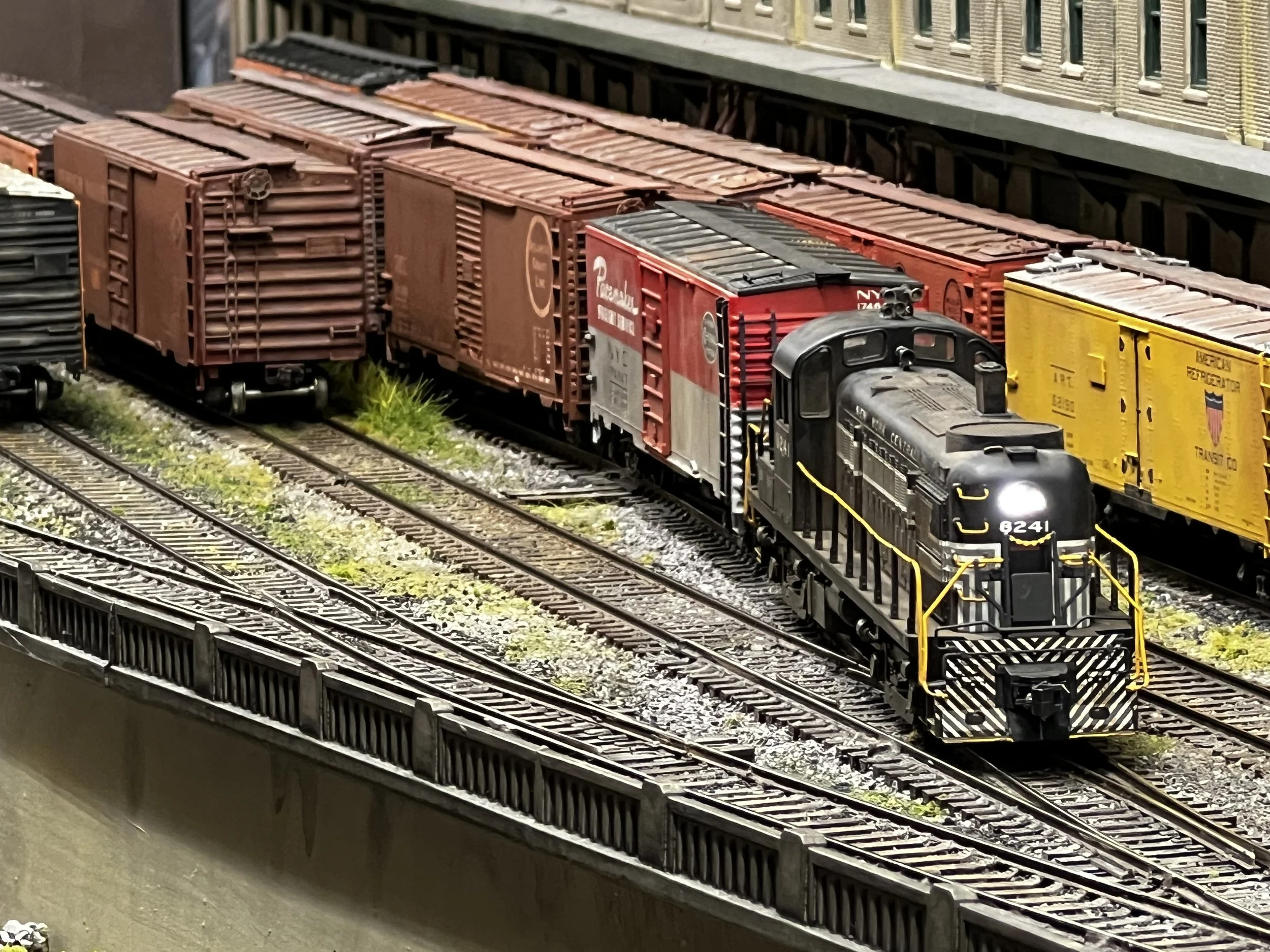
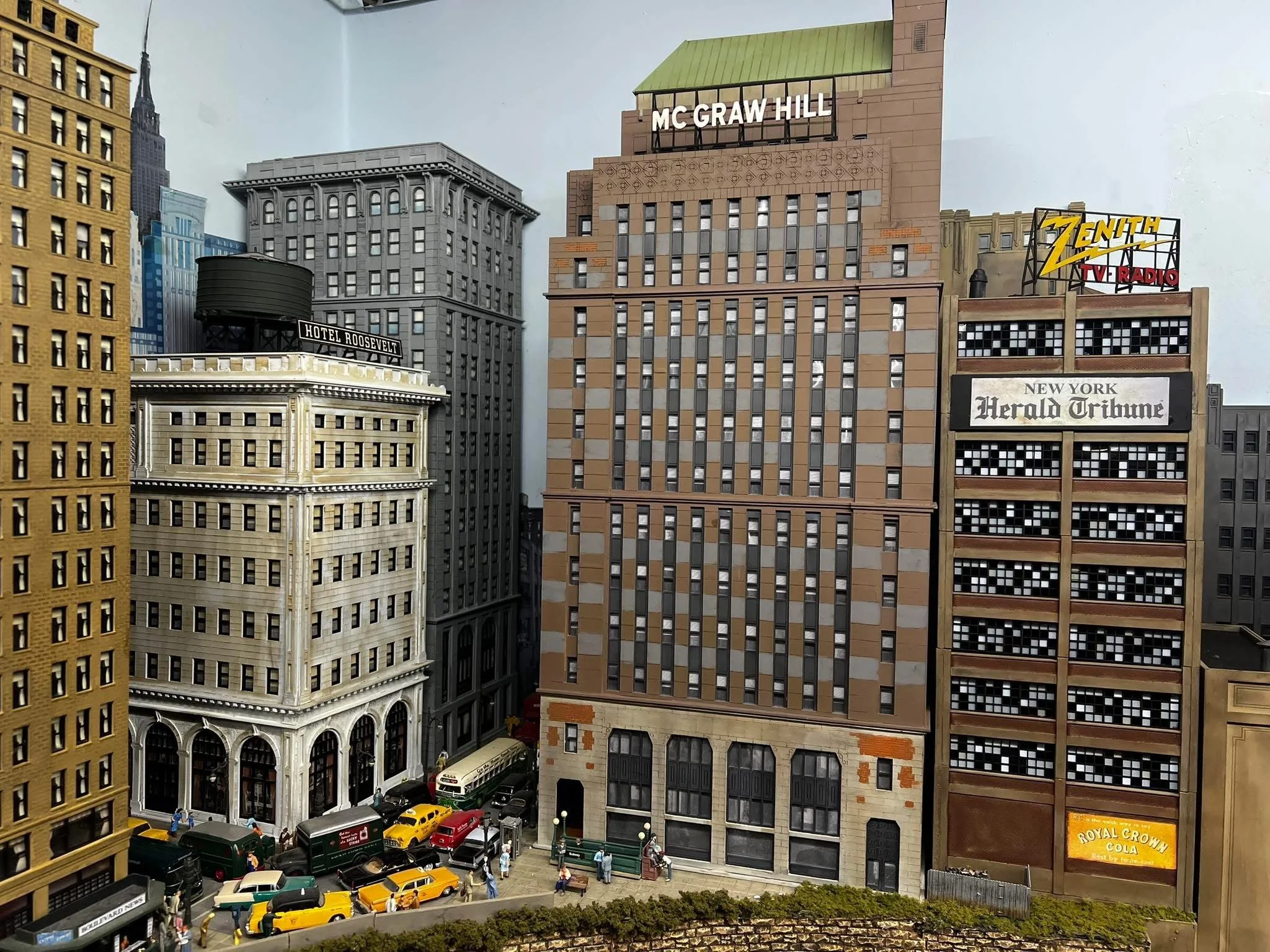
Bruce Ryan returns to Around The Layout Podcast for an in-depth conversation about the evolving operations, research, and design behind his Manhattan Terminal Railroad. With layout inspiration drawn from New York City’s rail-marine terminals and the High Line, Bruce describes how focused research, continuous improvement, and personal interest in realistic operation shape every aspect of the project.
This episode considers how a compact, urban-themed layout delivers a complete railroad day, from crew organization and switching plans to the traffic, priorities, and planning that make each operating session purposeful. The discussion looks closely at how ongoing experimentation and research lead to changes in track arrangements, customer spotting, and operational routines.
About This Episode
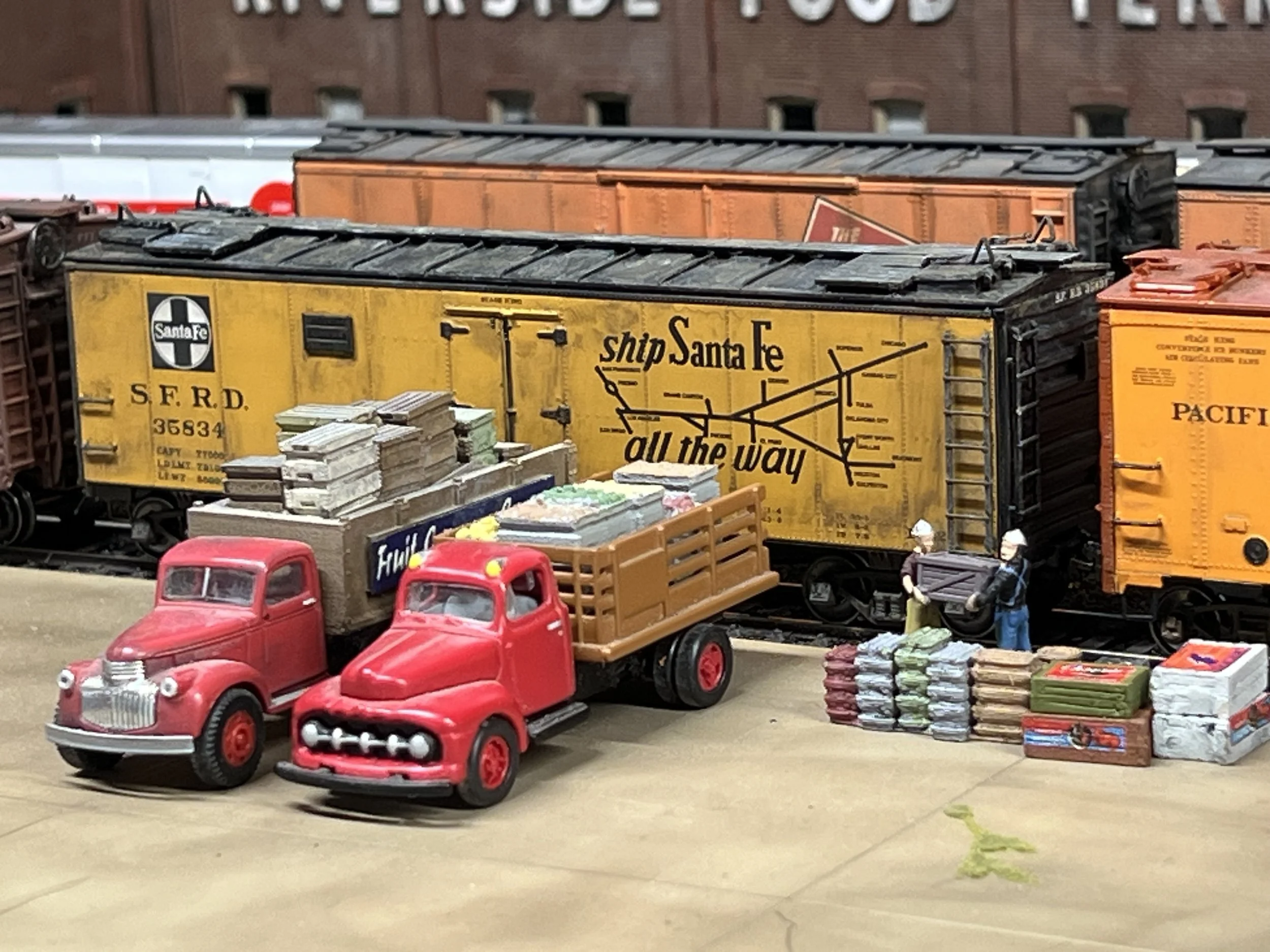
At the center of the episode is Bruce’s approach to modeling a freelance terminal railroad serving approximately 20 customers across a densely packed, 75-foot layout. The conversation examines how decisions about trackwork, customer spotting, traffic flows, and car float operations are guided by historical resources such as freight circulars, period research, and personal operating priorities. Bruce shares the logic behind his car movement planning, how he defines “a railroad day,” and why operations remain his favorite part of the hobby.
Attention is given to the process of assigning traffic patterns, designating priority deliveries for certain customers, and balancing relaxation with operational challenge. The episode considers the reasoning behind changes to the layout (such as modifying spurs or industry types), the impact of solo versus group operations, and how a constantly evolving track plan can better serve both realism and enjoyment.
What We Discuss
Using Prototype Research for Freelance Decisions
Bruce outlines how resources like the New York Central Freight Circular and Opsig’s industrial database inform his customer list, potential shippers, and traffic patterns. This allows him to create a plausible freelance layout rooted in period and geographic context, while still retaining creative control over industry selection and operational style.
Evolving Track Plans for Functional Operation
Operational experience and ongoing learning prompt frequent rethinking of track arrangements and industry placement. Bruce describes feeling apprehensive about making significant track changes at first, but notes how revising the physical layout—adding storage tracks, converting a cement terminal to a bakery, and improving runarounds—can lead to better switching, more satisfying car moves, and a visual scene that supports the operating story.
Shaping the Operational Flow and Crew Experience
The Manhattan Terminal operations revolve around thoughtful car assignment, switch list creation, and defined roles for each crew. Bruce explains how priority customers, storage track placement, train size limitations, and speed restrictions all contribute to the desired level of operational engagement—challenging but not tedious, purposeful but relaxing. The layout’s design intentionally supports both solo sessions and two-person crews on each end.
Experimenting with Scene and Process
The layout is as much a place to test operational ideas as it is a finished scene. Bruce describes trying out different routines and physical arrangements during solo sessions, checking for realism and removing tedium before inviting crews to operate. This iterative approach guides everything from staging protocols to the way pickups and empties cycle through the system.
Key Takeaways
• Prototype and period research can guide customer, traffic, and industry choices even on a freelance urban layout.
• Fear of making big changes can give way to a more satisfying project if modelers experiment with new track plans or operating concepts.
• Defining operational structure—including crew roles, priority deliveries, and switching protocols—helps provide meaningful, repeatable sessions.
• Testing ideas alone offers an effective way to evaluate operational concepts and avoid tedious procedures before bringing in guests.
• Operations-focused layouts can offer a complete and engaging experience, even in a compact space with a single urban setting.
This episode of Around The Layout is Powered By Rapido Trains:
https://rapidotrains.com/
Thank you to our episode sponsor, Spring Creek Model Trains:
https://www.springcreekmodeltrains.com/
Thank you to our episode sponsor, Tully Models:
https://tullymodels.com/
Episode Released October 8, 2026