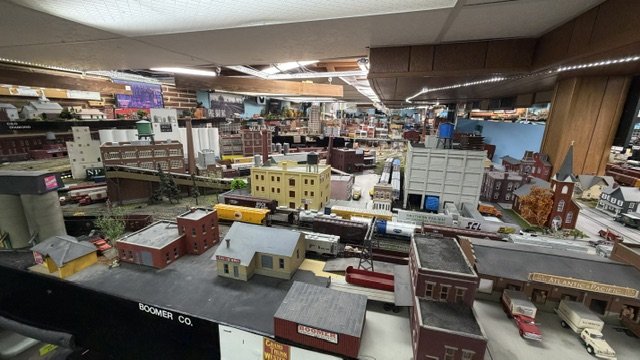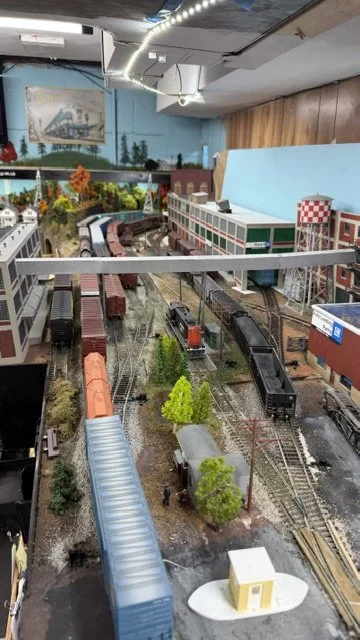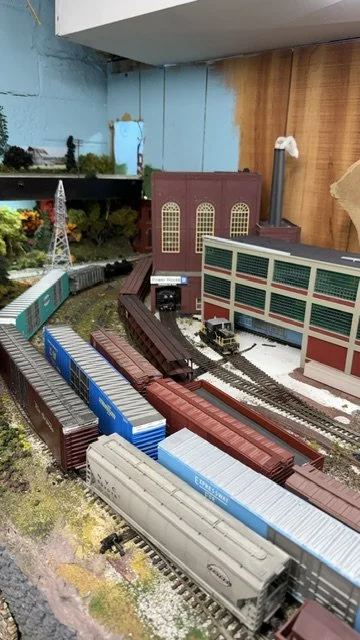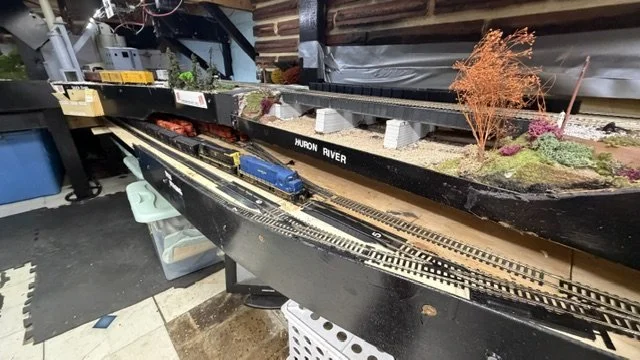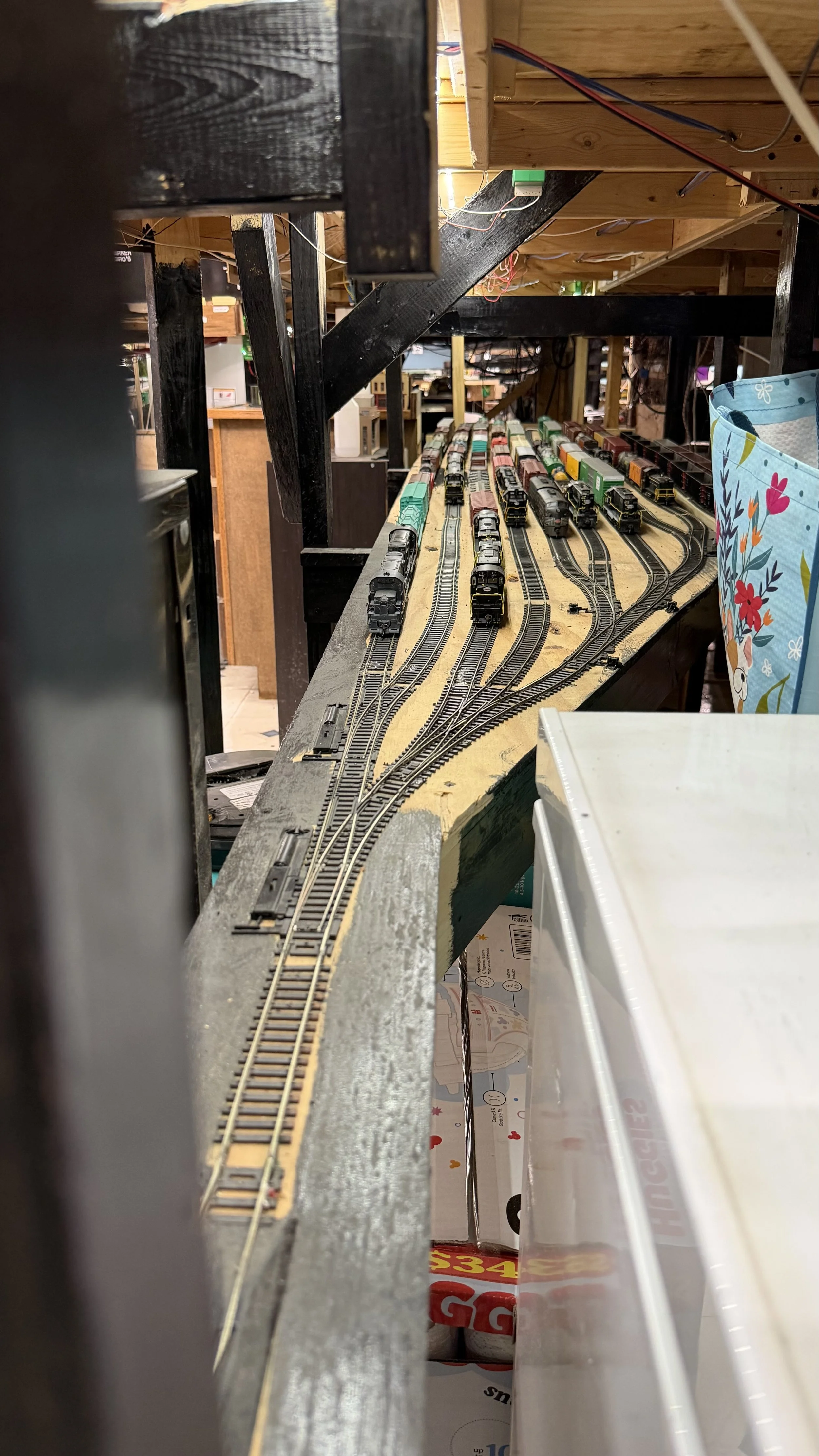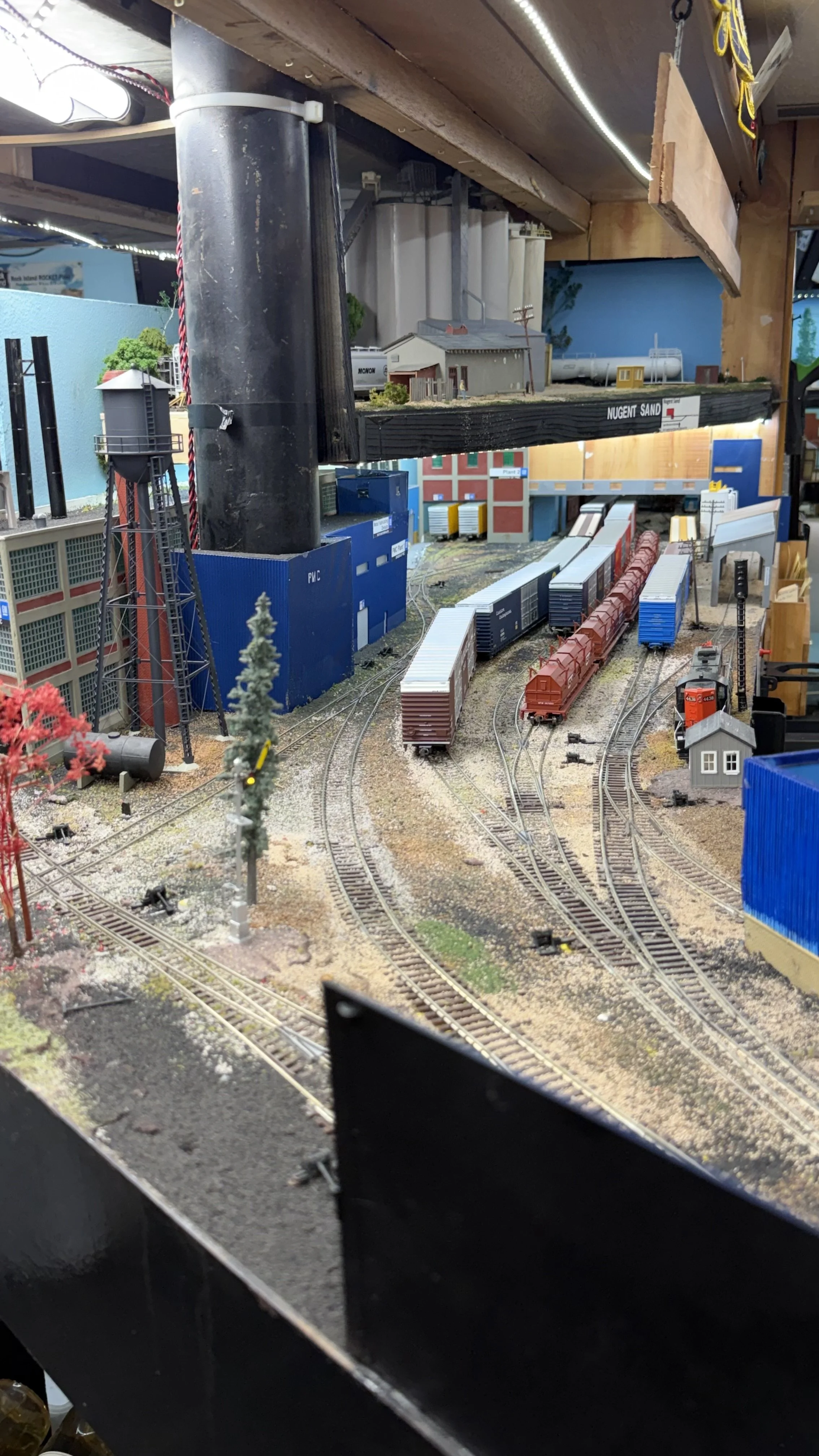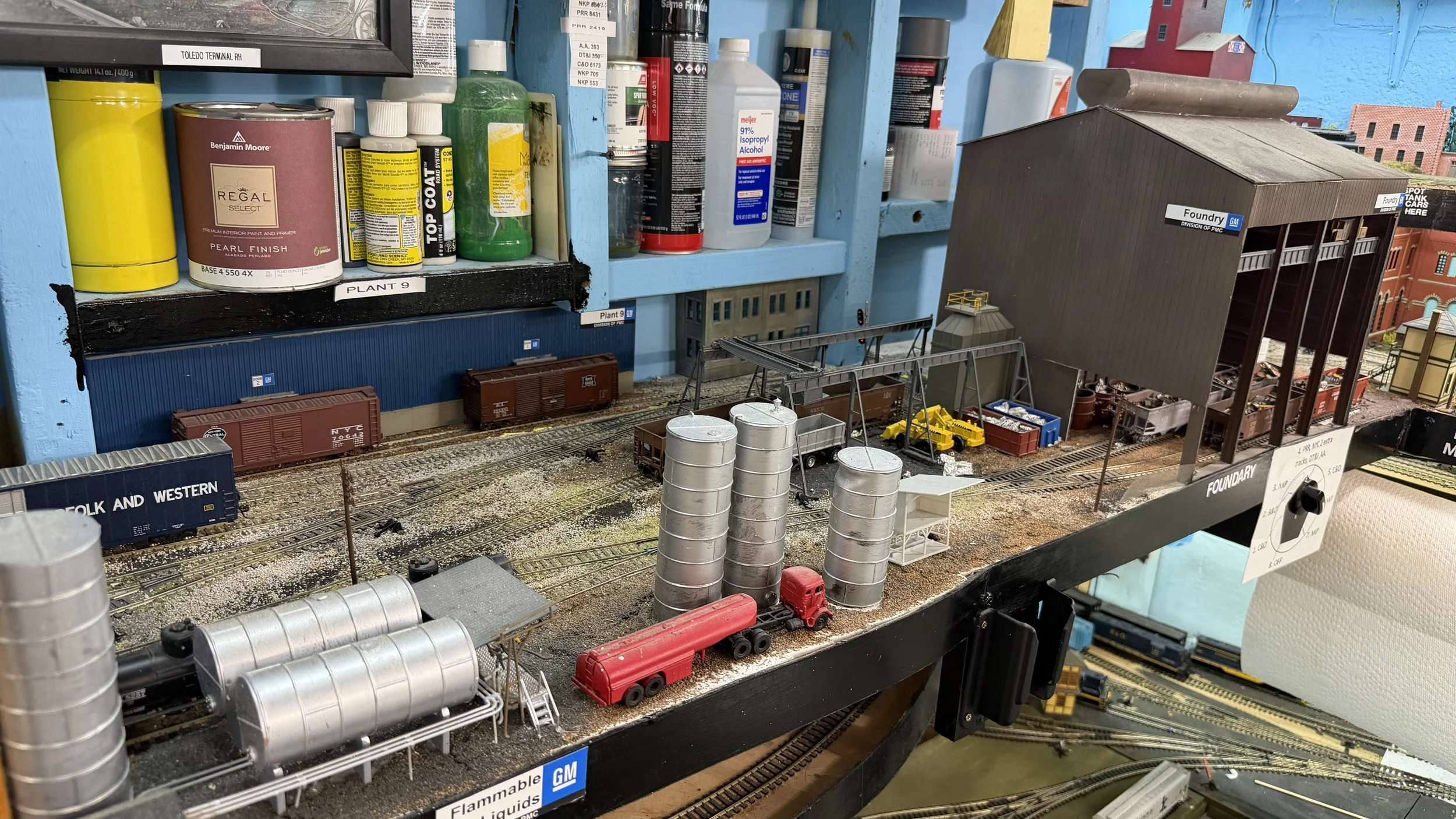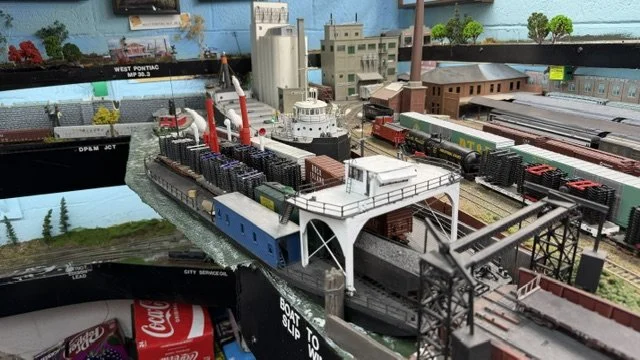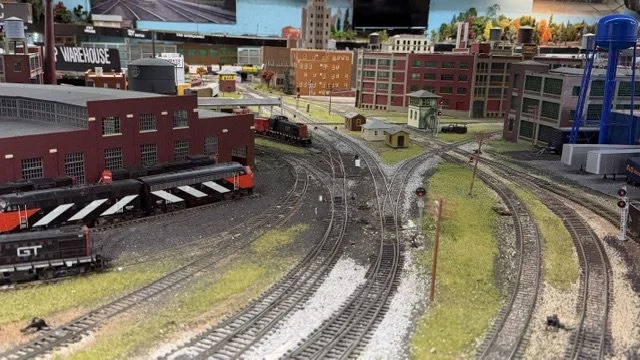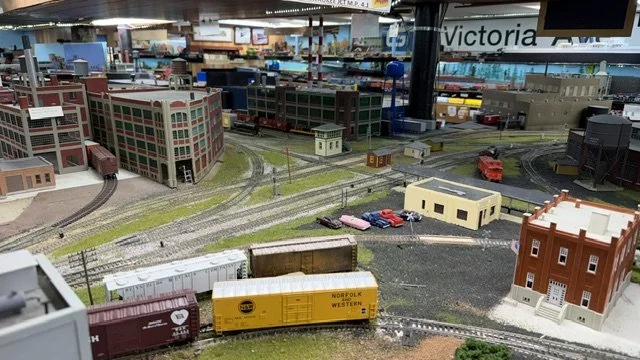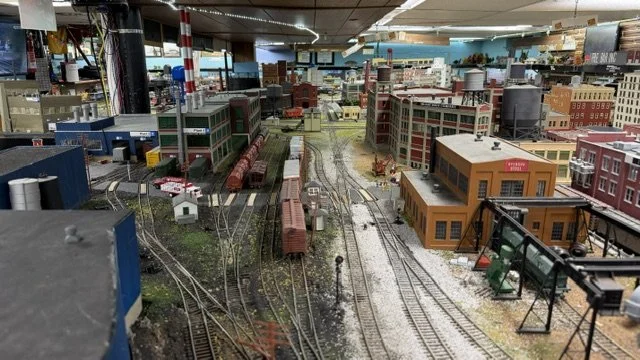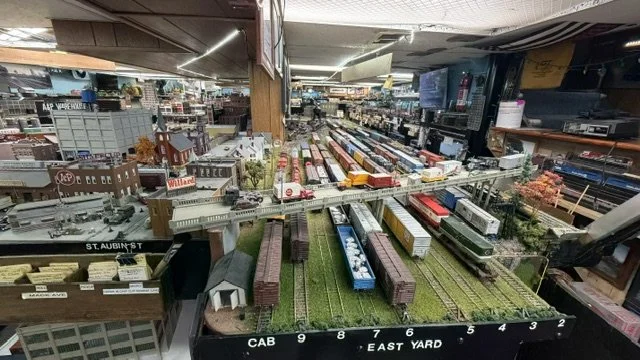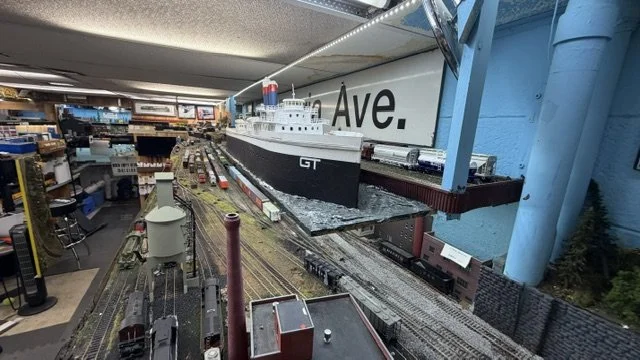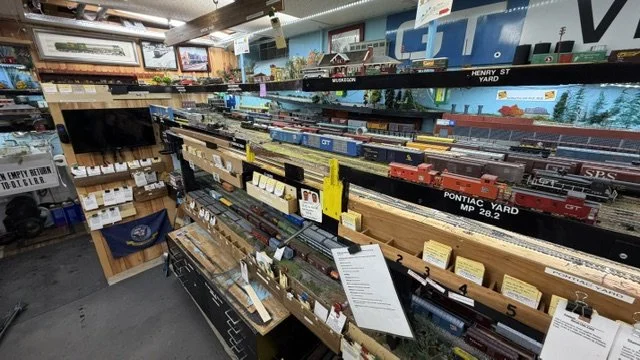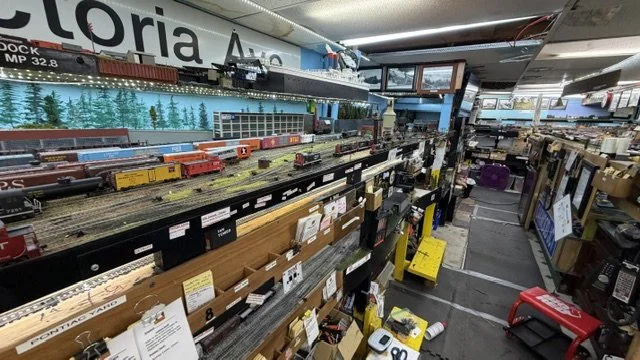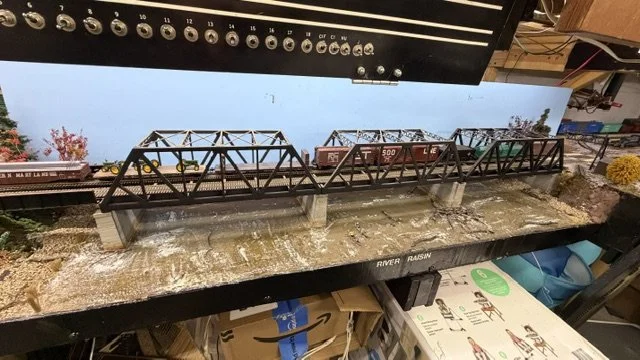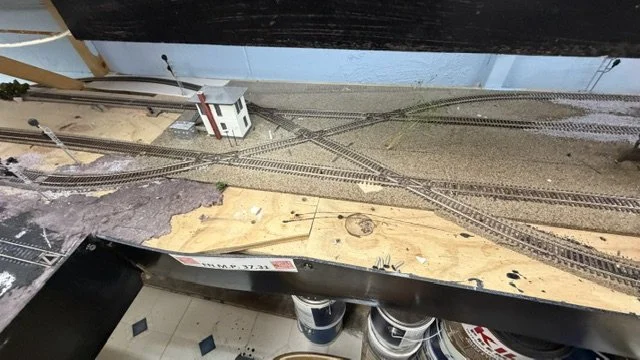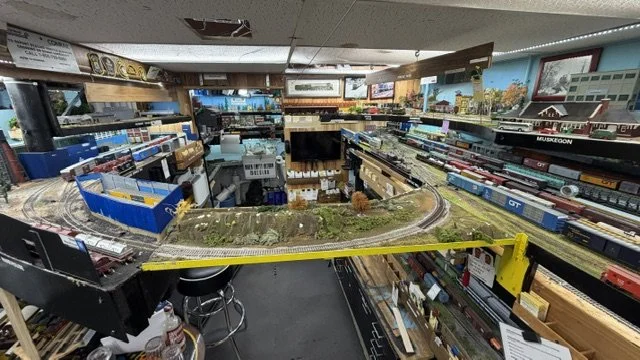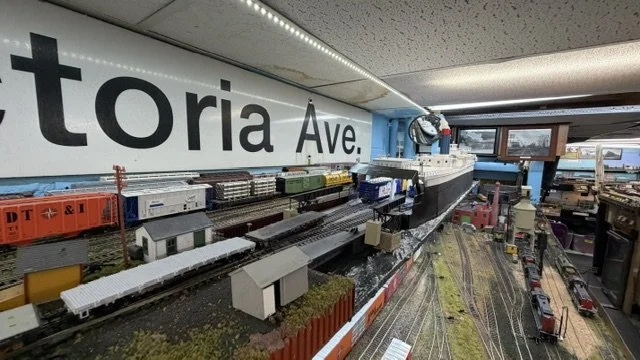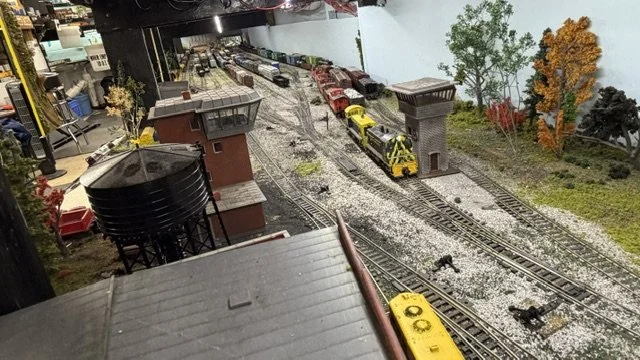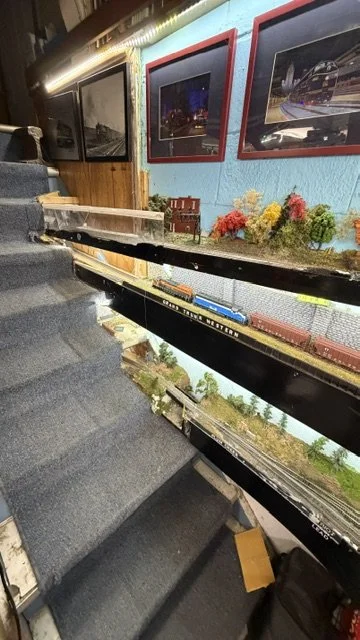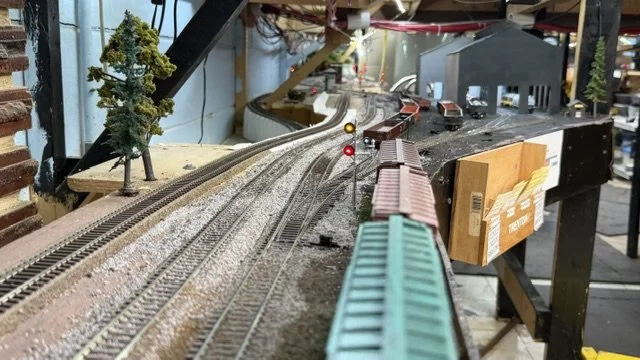
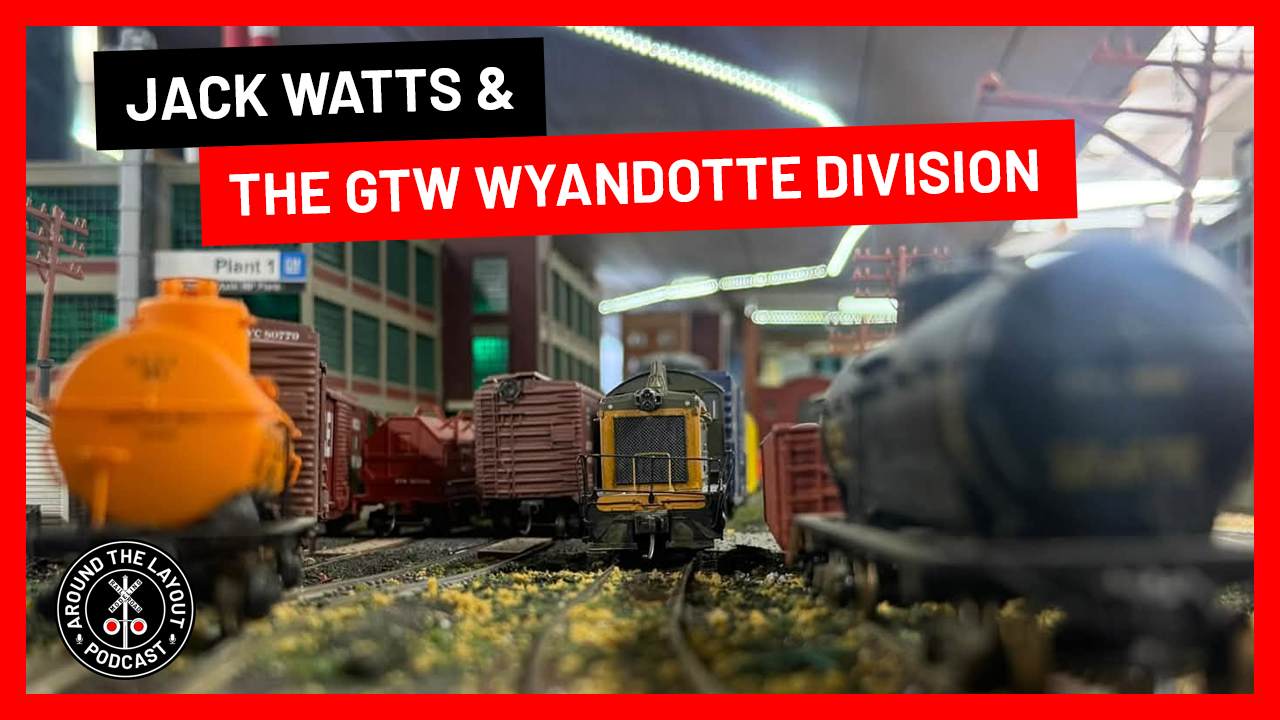
Around The Layout Podcast explores the operations-focused HO scale layout of Jack Watts, who has built a railroad shaped by his work experience, interest in prototype practice, and those formative influences found among Detroit-area model railroaders. The conversation examines how Jack brings together the Grand Trunk Western and the Detroit and Toledo Shoreline circa 1969, using research, friendships, and on-the-job learning to define traffic patterns, operational structure, and layout design.
Jack discusses his approach to modeling the purposeful movement of automobiles, parts, and raw materials, considering both the mechanics of realistic operation and the enjoyment of a relaxed, social session. The episode brings out the connections between real-world railroading and layout decisions—from route selection and industry placement to mentoring new operators and shaping the flow of cars.
About This Episode
The discussion centers on Jack’s Grand Trunk Western Wyandotte Division, a basement-sized layout focused on the railroad’s busy auto industry traffic during 1969. Rather than modeling just a generic era or location, Jack researches prototype practices, consults railroaders who worked the area, and studies historic sources to inform the arrangement of yards, industries, trackage, and freight flows. Attention is given to auto plant traffic—including movements that rarely leave the immediate region—providing a broader view of railroading’s role in the automotive supply chain.
Several questions frame the episode: How can a model railroad capture the complexity and interdependence of real industrial operations? Where does prototype research meet creative adaptation? What are the pressures and solutions involved when building a large, operations-oriented layout? The balance between creating an inviting operating environment and maintaining operational purpose remains a key theme.
What We Discuss
Modeling Prototype-Inspired Operations
The conversation highlights the influence of prototype research and observation, both through published sources and direct accounts from railroad employees. Jack discusses learning the logic behind car movements, industry switching, and the interconnectedness of Grand Trunk Western’s freight in its automotive heartland. The approach blends period-specific research with local knowledge to inform the railroad’s design and car routing.
Adapting Real-World Complexity to the Layout
The development of the Wyandotte Division reflects compromises and adaptations necessary to fit complex territory and operations into a home layout. Jack explains how certain features—such as Milwaukee Junction, Pontiac Beltline, and strategic staging—were prioritized, while others required compression or omission. Physical limitations led to creative choices like the use of a helix and modular construction techniques.
Fostering a Community of Operators
One concept discussed was the importance of mentorship and community. Jack credits early mentors and ongoing relationships with shaping both his railroad knowledge and modeling. The layout now draws a diverse group of operators, from career railroaders to newcomers, and extra effort is placed on onboarding, documentation, and easing new participants into more demanding roles.
Balancing Prototype Practice With Layout Fun
A key theme that emerged was the need to balance prototype operations with the realities of the hobby. Jack describes how some rules and procedures are simplified to keep sessions enjoyable and accessible, even when operating alongside professional railroaders. The goal is for the traffic to have purpose, but without creating an intimidating environment for new operators.
Key Takeaways
• Research and real-world railroad experience strongly influence decisions about traffic, operations, and layout design.
• Modeling the automotive industry requires recognition of short-haul, inter-plant, and warehouse movements—not just long-distance finishes.
• Layout compromises—such as selective compression and operational adaptations—are guided by operational priorities.
• Providing clear instructions and mentorship helps new operators gain confidence in an operations-oriented environment.
• Balancing prototype standards with social enjoyment supports both operational depth and a welcoming railroad community.
Links
See more of the Grand Trunk Western Wyandotte Division on YouTube:
https://www.youtube.com/@GrandTrunkWesternWyandotte
Join the conversation in the Grand Trunk Western Dearborn Division Facebook group:
https://www.facebook.com/groups/272221647465202
Follow the Grand Trunk Western Wyandotte Division on Instagram:
https://www.instagram.com/grandtrunkwesternwyandottediv/
Learn more about the Grand Trunk Western Historical Society:
https://gtwhs.org/
Show Sponsors
This episode of Around The Layout is Powered By Rapido Trains:
https://rapidotrains.com/
Thank you to our episode sponsor, Spring Creek Model Trains:
https://www.springcreekmodeltrains.com/
Thank you our episode sponsor, ABR Model Works:
https://abrmodelworks.com/